

The training principles, long rides, and unconventional fueling strategy behind a 3-day, 23-hour ultracycling performance.

Ultracycling is often seen as something extreme, almost unpredictable.
But from a coaching perspective, it is actually the opposite.
It is not about improvisation.
It is about building a system that allows the body and mind to function under prolonged stress.
This is how I trained for Kromvojoj: a 1,400 km ultracycling event across Catalonia completed in 3 days, 23 hours and 59 minutes.
The Goal Was Never Max Fitness
My goal was never to peak in a traditional sense.
I was not preparing for a one-hour effort or a single-day race.
I was preparing for sustained performance over multiple days.
The key question guiding my training was:
How can I maintain a stable output for 90+ hours while managing fatigue and unpredictable conditions?
That question shaped everything.
Training Philosophy: Consistency Over Intensity
My preparation was based on one core principle:
Consistency is more important than intensity in ultradistance cycling.
Instead of focusing on peak power or high-intensity intervals, I prioritized:
-
Long endurance rides
-
Accumulated fatigue across multiple days
-
Low variability training blocks
-
Time-in-saddle development
-
Controlled pacing over long durations
The goal was not to replicate race suffering.
The goal was to normalize prolonged effort.
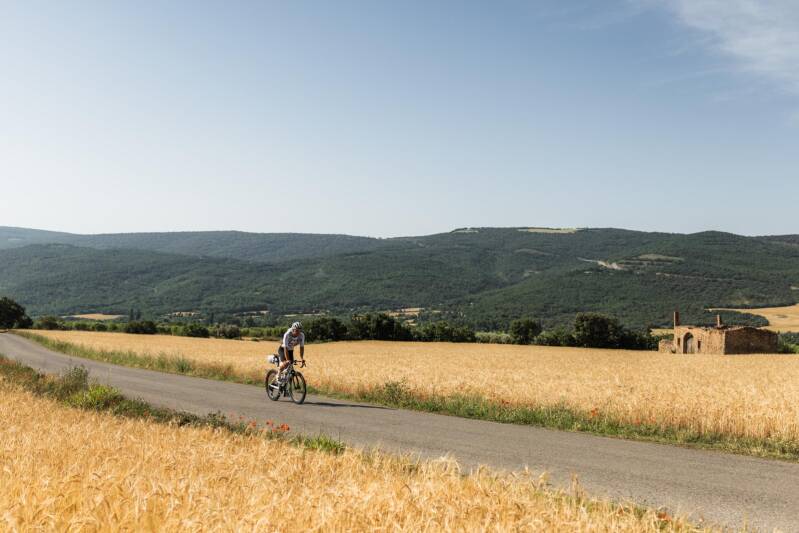
Long Rides: Building Durability
Long rides formed the base of my preparation.
But the focus was not exhaustion.
It was control.
During these sessions I worked on:
-
Maintaining steady intensity over many hours
-
Practicing real-world fueling decisions
-
Managing pacing without external pressure
-
Staying efficient after 6–10 hours on the bike
The key adaptation was not fitness.
It was durability.
Back-to-Back Training: Fatigue as a Tool
One of the most important elements of my training was consecutive long rides.
Not maximal efforts.
But accumulated fatigue exposure.
For example:
-
Day 1: long endurance ride
-
Day 2: long ride while still fatigued
This created the conditions where real ultracycling adaptations happen.
Not in freshness.
But in decision-making when recovery is incomplete.
It taught me:
-
How pacing changes under fatigue
-
How nutrition behavior evolves when tired
-
How mental stability shifts across days
-
How performance holds (or breaks) under accumulation
Nutrition Strategy: Training Under Low Availability
My nutrition approach was intentionally unconventional.
Instead of always fueling early and aggressively, I trained my body to operate under low energy availability.
During training rides I often followed this structure:
-
Long rides performed fasted
-
No food during rides under 2 hours
-
On longer rides, I only started eating after the first 90 minutes
The objective was not deprivation.
It was adaptation.
I wanted my body to be comfortable continuing effort even when energy intake was delayed or inconsistent.
Because in ultracycling, access to food and water is never guaranteed.
There are long stretches where you simply have to keep moving.
This approach helped me develop:
-
Better fat oxidation at endurance intensities
-
Reduced dependency on constant fueling
-
Mental tolerance for discomfort under low energy availability
-
A more flexible relationship with food timing during effort
Of course, during the race itself, fueling became consistent and structured.
But the training created the ability to function when conditions are not ideal.
Equipment Familiarity
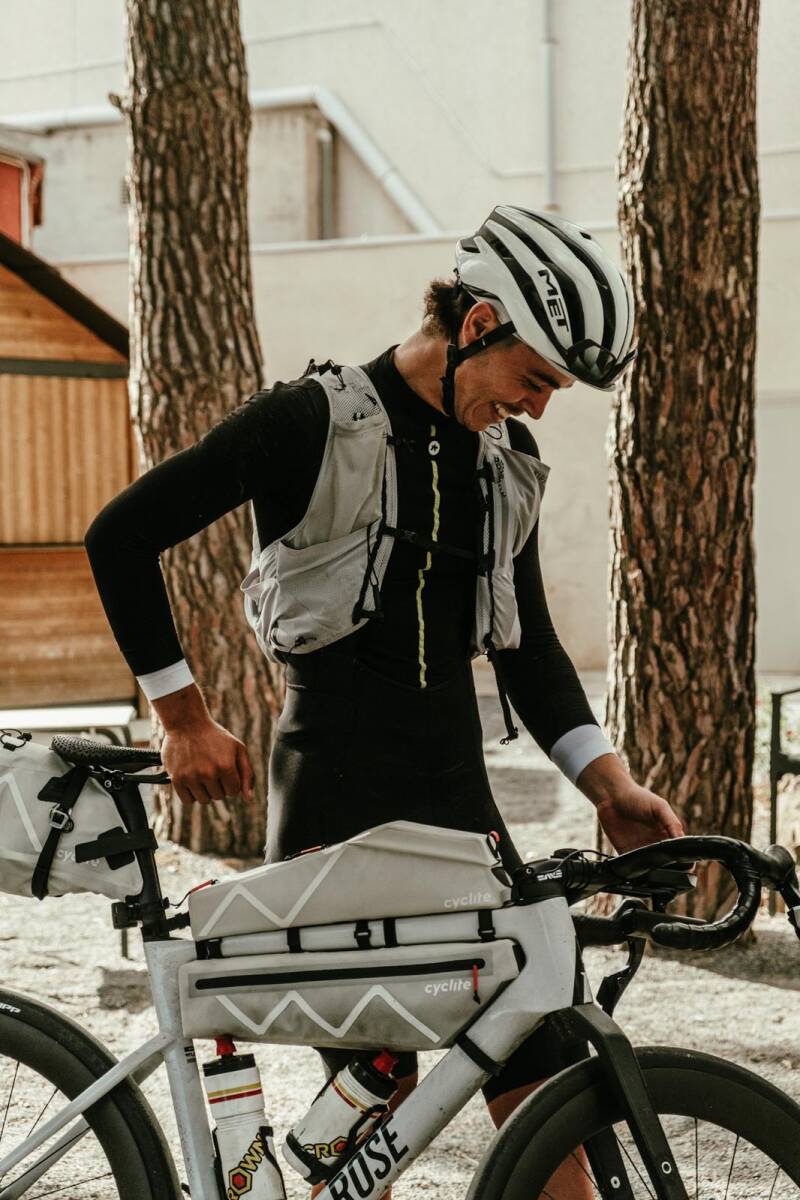
Another key part of preparation was system testing.
Not just fitness.
But reliability.
-
Bike fit under long duration stress
-
Bag stability over rough terrain
-
Lighting performance during night rides
-
Navigation consistency
-
Charging routines for electronics
The principle was simple:
No surprises on race day.

What Changed During the Race
During Kromvojoj, nothing felt completely unfamiliar.
The physical effort was hard.
But not unknown.
That is the real outcome of structured preparation.
Not comfort.
But recognition.
The ability to say:
I have been here before, even if not in this exact moment.
The Result
Kromvojoj was completed in:
3 days, 23 hours and 59 minutes
Additional performance context:
-
High consistency across multi-day terrain
-
4–6 hours average sleep per day strategy
-
One of the highest moving averages in the top 10 finishers
But the result is not the point of this article.
The point is the system behind it.
Final Thoughts
From a coaching perspective, ultracycling is not about finding limits.
It is about building repeatable systems that hold under stress.
My preparation for Kromvojoj reinforced a core belief:
Endurance performance is not built in perfect conditions. It is built in controlled exposure to imperfect ones.
And that is what training should prepare you for.
If you are interested in structured endurance coaching or ultracycling preparation, I share more insights through Race Ready Cycling Training.
Because performance should not be accidental.
It should be designed.
Añadir comentario
Comentarios